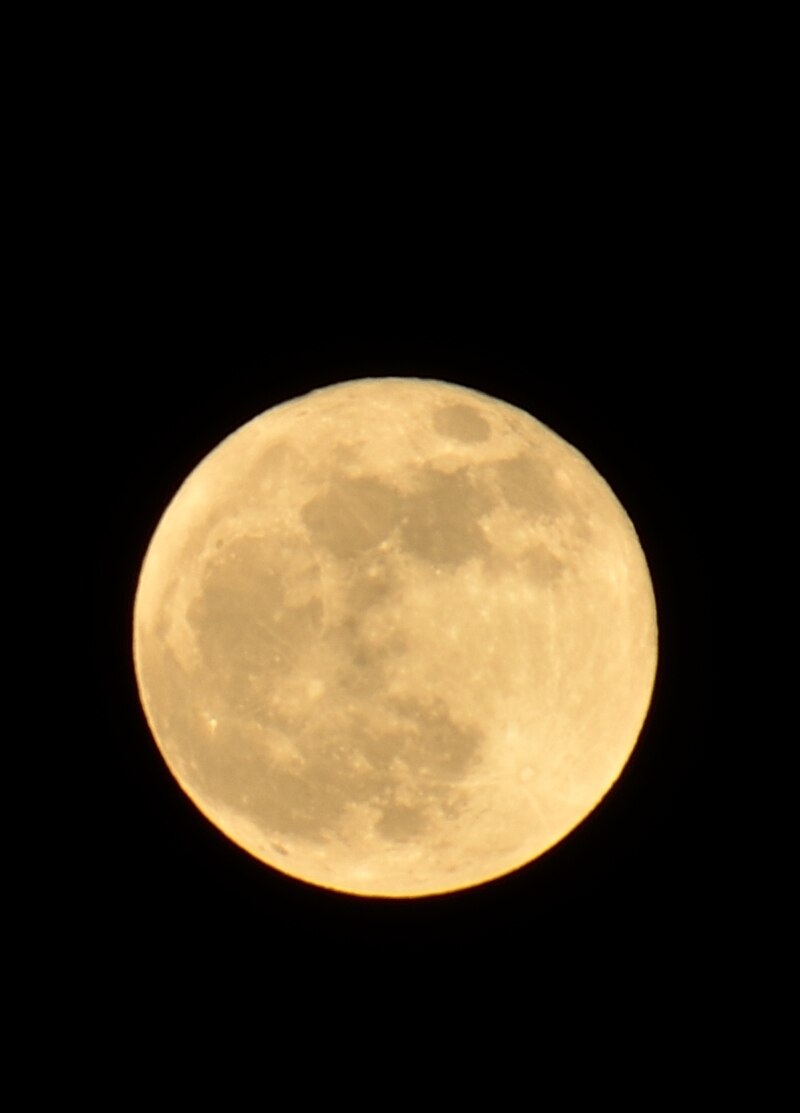
The month of Kartika began yesterday. I saw the gorgeous full moon last night and thought about how this all works.
“The path of the moon and the 27 Nakshatras have played a significant role in the formation of the Hindu calendar. The Hindu calendar is based on the lunar cycle, and the moon’s movement is divided into 27 parts, known as Nakshatras. These Nakshatras are essential in determining auspicious dates and times for various Hindu rituals and ceremonies.” [from this article]
“In the English calendar, Kartika corresponds to October-November. Margashirsha is a month of religious significance, and it includes the celebration of the Hindu festival of Kartik Purnima. Devotees engage in prayers and rituals during this time. In the English calendar, Margashirsha aligns with November-December. [from this article]
So as the moon moves into the position where from our vantage it has as its backdrop the fixed constellation Margashirsha, Kartika begins.
The sky represents the wheel of time and it is the calendar system created for our use and elevation by the Supreme Lord. The sun is for days, the moon is for months and the stars are for years. You can count the years by the movement of the sun (or moon) through the background of fixed stars. “Planets” are actually wandering stars because by default, the stars are in fixed positions relative to each other and thus coherent, consistent patterns (constellations) have always been visible throughout recorded history. The fixed stars rotate clockwise (from their viewpoint) around the polestar, keeping the immovable polestar to their right. The ‘planets’, for example the sun, travels in the same direction but slightly slower. Since we can’t see the stars during the day, at night we experience a different snapshot because of this speed differential. The sun and the moon never go retrograde. Mercury, Venus, Mars, Jupiter, Saturn have a retrograde motion. These are all pratyaksha. Astronomy is how we can calculate time and navigate using the moving sky and fixed ground and polestar as reference. This is a material science and is not transcendental.

The positions of the planets at the moment of our birth is the snapshot that is used to understand how we are favored or dis-favored by the demigods. The Supreme Lord gives us the reactions of our good and bad deeds through the agency of His planetary representatives. One trained in Vedic astrology and astronomy can interpret these positions and give one good guidance regarding his varna and good marriage. Also auspicious times for beginning important works can be used to advantage by individuals and kings. Leveraging this knowledge, one can advance materially and obtain desires.
Astrology is a mundane science which relates to our embodied experience in the world of birth and death. Its scope is limited to the material realm. The Surya-Siddhanta is a foundational jyotish shastra, but it never claims to describe a literal map of the universe. The devotee science community is making the mistake of equating a functional material manual with the superlative transcendental work of Vyasadeva. Measurements given in the Surya-Siddhanta for geocentric calculations of planetary motions are practical mathematical tools for timing and calendars. At best, it can be used as a guide for obtaining good material results.
However, if one is fortunate enough to hear from a pure devotee like Srila Prabhupada, one can realize the futility of rotation in the cycle of birth and death by obtaining the seed of Krishna bhakti. Srimad Bhagavatam is a special revelation of the Supreme Absolute Truth meant specifically for those of us desiring freedom from the evils of this difficult age, Kali yuga. In the Srimad Bhagavatam the topics are purely transcendental to the goals of dharma, artha, kama and moksha. There is no cheating whatsoever in this sacred text and thus it is declared there:
“Completely rejecting all religious activities which are materially motivated, this Bhāgavata Purāṇa propounds the highest truth, which is understandable by those devotees who are fully pure in heart. The highest truth is reality distinguished from illusion for the welfare of all. Such truth uproots the threefold miseries. This beautiful Bhāgavatam, compiled by the great sage Vyāsadeva [in his maturity], is sufficient in itself for God realization. What is the need of any other scripture? As soon as one attentively and submissively hears the message of Bhāgavatam, by this culture of knowledge the Supreme Lord is established within his heart.” [my emphasis added]
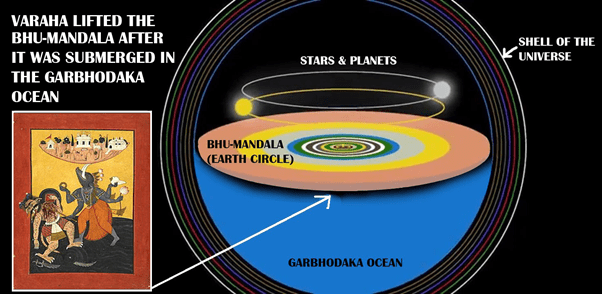
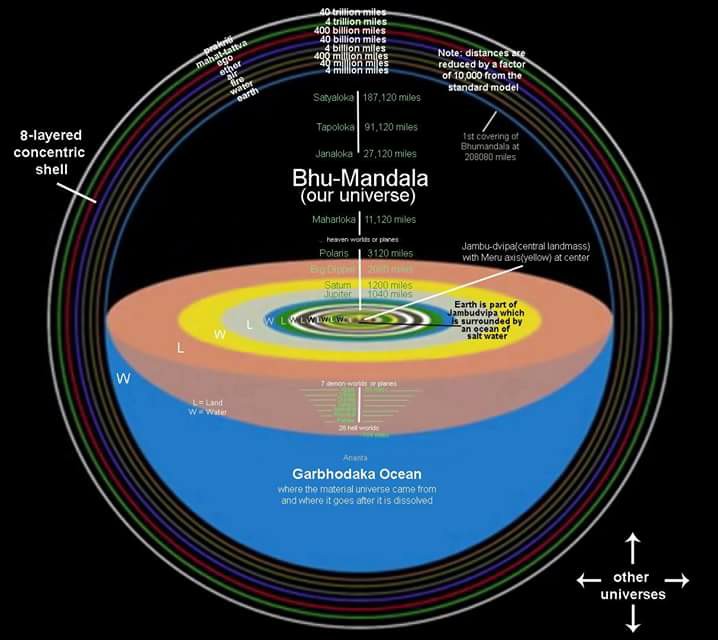

 VEDASONIC